What is PRP?
PRP, or Platelet-Rich Plasma, is one of the most innovative and effective methods in modern medicine. PRP is plasma enriched with platelets, obtained from the patient's own blood. Due to the growth factors within PRP, the therapy supports tissue repair and regeneration. Being biologically compatible and derived from the patient's own blood, PRP treatments stand out as a safe and effective option.
Applications of PRP
Aesthetic Surgery
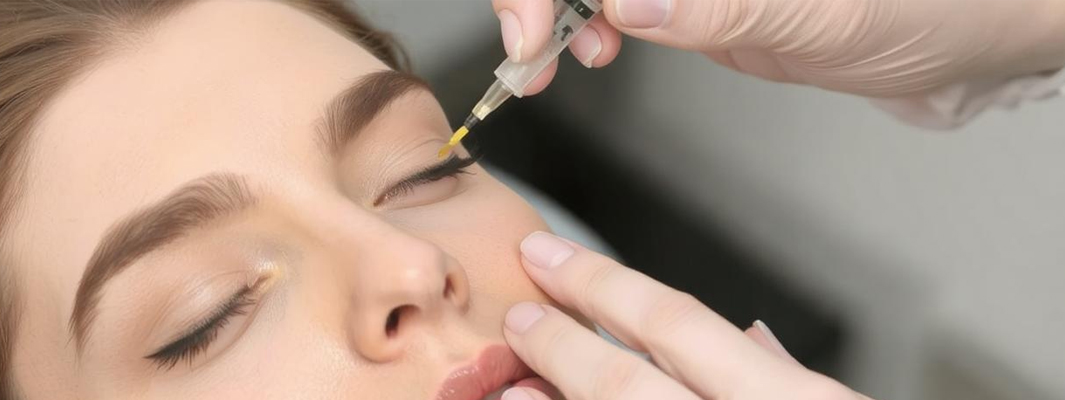
In aesthetic surgery, PRP is used in treatments such as skin rejuvenation, wrinkle reduction, and acne scar improvement, helping the skin appear healthier and younger. Injected beneath the skin, PRP supports cell renewal through its growth factors, enhancing its popularity in aesthetic procedures.
Orthopedics
In orthopedics, PRP is applied to alleviate joint pain and improve joint functions. PRP treatments accelerate the healing process in muscle and tendon injuries, enabling athletes to return to training sooner, showcasing the therapeutic benefits of PRP in orthopedics.
Dentistry
PRP accelerates bone and tissue healing in procedures such as tooth extractions and implantations. Additionally, PRP is used in orthodontic treatments to facilitate faster and more comfortable tooth movements, highlighting its tissue regeneration capabilities in dentistry.
Sports Medicine
Athletes benefit from the healing properties of PRP after injuries. In sports medicine, PRP provides significant advantages in treating muscle and tendon injuries, demonstrating its efficacy in rapid recovery.
Hair Loss Treatment
PRP is widely used in hair loss treatment. It revitalizes hair follicles and promotes healthier hair growth. PRP strengthens hair follicles, increasing the effectiveness of hair treatments.
Advantages of PRP
Safety and Effectiveness
One of the advantages of PRP is its low risk of allergic reactions, as it is derived from the patient’s own blood. PRP is prepared under sterile conditions using centrifugation, ensuring its safe use. Personalized preparation enhances its effectiveness, making PRP a reliable choice.
Minimally Invasive
PRP treatments are minimally invasive, enabling patients to quickly resume daily activities after treatment. Its non-invasive nature makes PRP a comfortable and preferred option for many patients.
Natural and Biocompatible
PRP treatments are natural and biocompatible as they are derived from the patient’s own blood. This compatibility allows the body to easily accept PRP, minimizing side effects and enhancing its natural benefits.
PRP Application Methods
PRP Preparation Process
PRP treatment begins with drawing the patient’s blood, which is then processed in a specialized centrifuge to separate PRP from other blood components. This preparation step is crucial for the treatment’s effectiveness.
PRP Injections
Once prepared, PRP is injected into the target area, ensuring localized and effective treatment outcomes.
PRP in Rehabilitation
PRP supports rehabilitation by aiding recovery and enhancing the treatment process, further expanding its application scope.
PRP Treatment Side Effects and Risks
Although PRP treatments are generally safe, mild side effects such as pain, swelling, or bruising may occur at injection sites. However, these effects are typically short-lived.
Conclusion
In conclusion, PRP has become an indispensable method in modern medicine. Its versatile applications and numerous benefits have made it increasingly popular. PRP treatments provide tailored solutions for patient needs, and as its usage grows, its potential will become even more evident.
This page is for informational purposes only. Please consult your doctor for diagnosis and treatment.